

 Buying property in Auckland is rarely a slow decision.
Auctions move quickly. Conditional periods are tight. Competition is strong.
But one step should never be rushed — arranging a pre purchase building inspection Auckland buyers can rely on for independent, accurate risk assessment.
A professional building inspection is not simply a checklist. It is a structured evaluation of structural integrity, moisture risk, workmanship quality, and long-term durability — completed before your agreement becomes unconditional.
In a city with diverse housing stock — from early 1900s villas to 1990s monolithic cladding homes and modern architectural builds — every property carries its own risk profile.
An independent inspection allows you to move forward with clarity, negotiation strength, and financial foresight.
Why Pre Purchase Building Inspection Auckland Buyers Trust Matters
 Auckland’s environment creates unique durability pressures:
• Coastal salt air exposure
• High annual rainfall
• Sloping sections and drainage challenges
• Mixed-era construction styles
Moisture management is particularly critical. Water ingress remains one of the most expensive building failures in New Zealand housing history.
For official government guidance on why inspections are recommended before purchase, refer to
the New Zealand Building Performance guidance from MBIE.
Understanding risk before settlement is not optional — it is financial protection.
Pre Purchase Builders Inspection

A pre purchase builders inspection is a non-invasive assessment of visible and accessible areas of a property. It is conducted during the conditional period and provides an objective overview of the building’s structural condition.
The inspection typically evaluates:
• Foundations and piles
• Subfloor ventilation
• Exterior cladding systems
• Roofing materials and flashings
• Deck construction and waterproofing
• Visible plumbing and electrical concerns
• General workmanship quality
In Auckland, certain property eras require specific scrutiny:
1920s–1960s homes:
Timber framing, original wiring, ageing roofing materials.
1990s–early 2000s homes:
Monolithic cladding systems with higher weathertightness risk.
Modern builds:
Workmanship quality, flashing detail, balcony waterproofing.
A thorough builders inspection does not aim to find trivial cosmetic issues. Instead, it prioritises structural soundness, moisture risk, and durability — the factors that most significantly impact long-term value.
Pre Purchase Home Inspections

Professional pre purchase home inspections go beyond surface appearance.
Fresh paint and staging can disguise maintenance history. What matters is what lies beneath.
A structured home inspection includes:
• Roof space (if safely accessible)
• Insulation visibility
• Internal linings and moisture indicators
• Joinery and glazing condition
• Drainage fall around the dwelling
• Garages and ancillary structures
• Signs of unconsented alterations
In Auckland’s fast-moving property market, buyers often feel pressure to rely on vendor-supplied reports. However, independent reporting is strongly recommended. For consumer-focused advice on building reports and potential red flags, review guidance from
Consumer Protection New Zealand.
An independent inspection works for you — not the seller.
Pre Purchase House Inspection
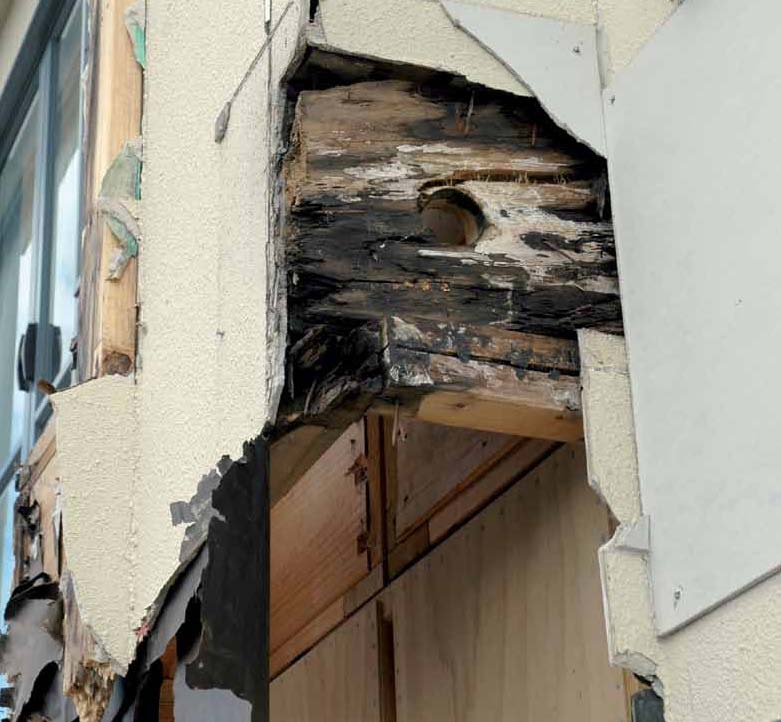 A pre purchase house inspection provides property-specific risk assessment.
Even two homes built in the same year on the same street can present very different maintenance histories.
Common issues identified in Auckland properties include:
• Early signs of timber decay
• Inadequate subfloor clearance
• Roofing nearing end of service life
• Deck waterproofing deficiencies
• Drainage directed toward the foundation
• DIY alterations lacking council consent
These issues are rarely obvious during a short open home viewing.
Importantly, a house inspection also strengthens your negotiating position. If material defects are identified, buyers may:
• Renegotiate purchase price
• Request remedial work before settlement
• Seek specialist reports (engineer, roofer, electrician)
• Withdraw under due diligence clauses
In competitive Auckland suburbs such as Ponsonby, Mt Eden, North Shore, West Auckland and South Auckland growth areas, informed buyers gain leverage.
Knowledge equals negotiation power.
Pre Purchase Building Inspections
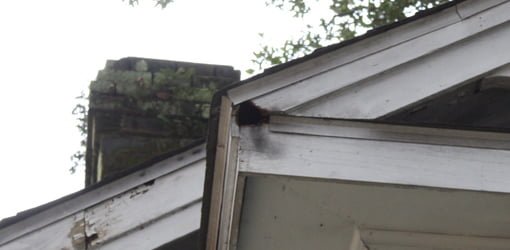 Comprehensive pre purchase building inspections focus on risk prioritisation.
Not all defects are equal. A professional report should clearly distinguish between:
• Minor maintenance items
• Moderate repair considerations
• Significant structural or moisture risks
Key Auckland risk areas include:
Moisture & Weathertightness
Water ingress remains the highest financial risk factor in many Auckland homes.
Structural Movement
Settlement, pile deterioration, and framing stress must be assessed early.
Roofing Durability
Coastal corrosion shortens lifespan in certain suburbs.
Subfloor Conditions
Poor ventilation accelerates timber decay and mould growth.
By identifying these factors before settlement, buyers avoid unexpected repair costs and post-purchase stress.
Local Expertise Matters in Auckland
 Auckland’s housing stock is not uniform.
Properties in:
• North Shore coastal zones
• Central Auckland character suburbs
• West Auckland bush environments
• South Auckland new developments
all present different environmental and structural considerations.
Choosing a provider experienced in pre purchase building inspection Auckland services ensures contextual understanding of:
• Regional weather exposure
• Soil types and slope stability
• Construction trends by decade
• Council consent patterns
Local knowledge improves accuracy and relevance.
Make a Confident Property Decision
A property purchase should never rely solely on presentation.
A professional pre purchase building inspection Auckland service provides:
• Independent risk assessment
• Financial clarity
• Negotiation leverage
• Peace of mind
Instead of asking “What might go wrong after settlement?”
You can confidently decide based on documented evidence.
In Auckland’s competitive market, informed buyers protect their investment before they commit.